
You may have heard that eating foods with lots of antioxidants is good for the immune system, but what does that really mean? What’s an antioxidant, and how can it benefit health?
Our bodies need oxygen to live. Oxygen is vital to many chemical reactions throughout the body and without it, we would quickly die. However, as you may remember from chemistry class, oxygen is also a very unstable molecule, and when it is part of a chemical reaction, potentially damaging by-products call free radicals are released. Just imagine a piece of iron slowly rusting in the rain. That’s oxidation at work.
Oxygen is used in many key reactions in the immune system, particularly in creating the inflammation that keeps us safe from invaders. Ironically, the free radicals that result can themselves make us sick.
Antioxidants help prevent damage from oxygen in one of two ways: they help regulate reactions, so only the necessary oxygen is used for body reactions, and they neutralize or eliminate the damaging free radicals that are produced in oxygen reactions.
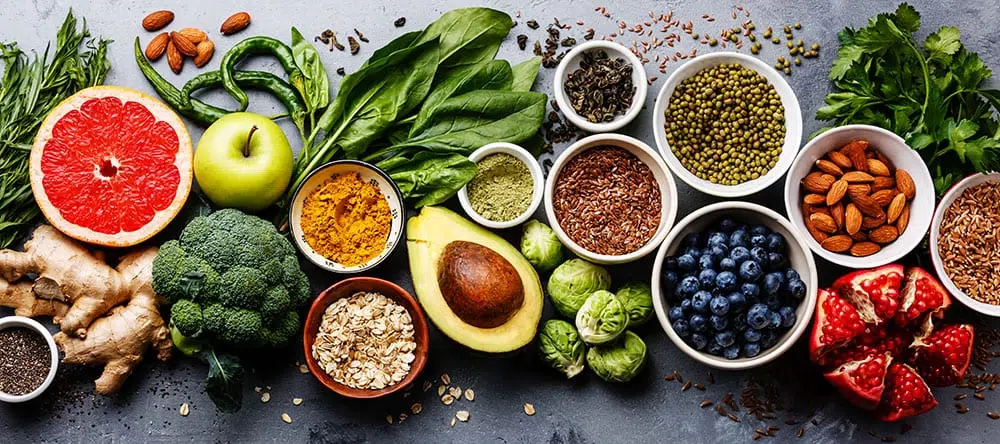
Many chemicals act as antioxidants, and they are widely found within healthy foods. Powerful dietary antioxidants include vitamin C (citrus fruit, kiwi, broccoli, bell peppers), vitamin A (liver, fish oil, dairy products, carrots, leafy green vegetables, squash), and vitamin E (nuts, seeds, avocado, leafy green vegetables). By consuming a diet high in antioxidants, you will help prevent oxidative damage and keep the immune system strong.
Antioxidant supplements are available, but they are not recommended. Research suggests that antioxidants taken alone, outside of food, may not be helpful and may even be harmful. Why? The science isn’t completely settled, but it is likely because of phytochemicals. Phytochemicals are a class of beneficial chemicals found in plants, and there are thousands of different kinds. Scientists are still investigating all the different phytochemicals and their benefits.
Your best bet to take advantage of the benefits of antioxidants and phytochemicals is to eat 5 to 10 servings of fruit and vegetables a day. Strive to try a variety of fruits and vegetables and try to get as many colors on your plate as possible. Different colors indicate the presence of different chemicals, so do your best to eat all the colors of the rainbow and you’ll be doing your immune system a favor.